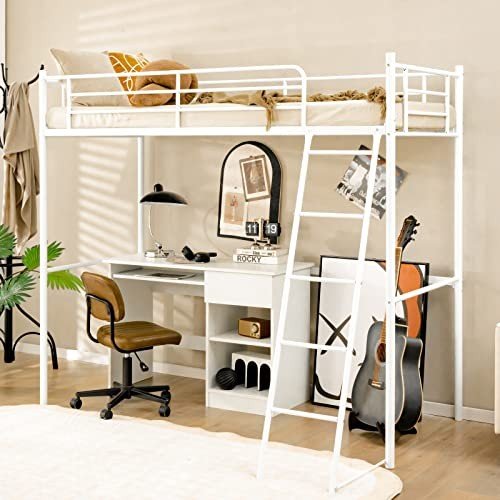
Bunk Beds for Kids: Maximizing Space and Fun in Shared Bedrooms
For families with multiple children sharing a bed room, or for those just seeking creative space-saving services, bunk beds have long been a popular and useful choice. More than simply a location to sleep, bunk beds use an unique mix of performance, enjoyable, and imaginative design that can change a child's room into a sanctuary for rest and play. Whether you're dealing with restricted square footage, cultivating brother or sister bonding, or just looking to include a touch of experience to your child's area, understanding the world of kids' bunk beds is crucial. This post explores the different types, benefits, and vital factors to consider when picking the perfect bunk bed to suit your household's needs and style.
Beyond the Basics: Why Choose Bunk Beds?
The appeal of bunk beds extends far beyond simple space efficiency. They use a plethora of benefits that add to a more organized, satisfying, and even developmentally advantageous environment for children.
- Area Optimization: This is the most apparent and substantial benefit. By stacking sleeping spaces vertically, bunk beds free up important floor space in a bed room. This newly found room can be made use of for backyard, research study zones, storage services, or merely to create a less messy and more open feel in the room. In smaller homes or apartment or condos, this space-saving aspect is vital.
- Fun and Adventure: For children, bunk beds are synonymous with fun. The novelty of climbing a ladder to their own elevated sleeping space, or having a cozy den-like location underneath, triggers creativity and turns bedtime into an exciting adventure. This spirited element can make the shift to their own room smoother and more satisfying for more youthful children.
- Sibling Bonding (or Individual Space): Bunk beds are often connected with shared sibling rooms, and they can certainly promote a sense of friendship and closeness in between siblings. Sharing a bunk bed room can motivate interaction, playfulness, and even cooperation. On the other hand, even when shared, bunk beds can create a sense of private space, particularly when integrated with drapes or designated zones around each bunk.
- Adaptability and Adaptability: The modern bunk bed market uses a broad variety of styles and setups. From timeless stacked bunks to L-shaped variations, loft beds with desks below, and even triple bunk options, there's a bunk bed design to match different space designs, age groups, and functional requirements. This flexibility ensures that bunk beds can grow with your children and continue to be a valuable furniture piece for many years to come.
Checking Out the Different Types of Kids' Bunk Beds
The world of bunk beds is far from monolithic. Understanding the different types available is crucial to making an informed choice. Here's a breakdown of common bunk bed styles:
- Standard Bunk Beds: These are the classic, most identifiable bunk bed design. Two beds are stacked directly on top of each other, connected by a ladder for access to the leading bunk. They are space-efficient and straightforward in style, making them a flexible choice for lots of bedrooms.
- L-Shaped Bunk Beds: In this setup, the leading bunk is positioned perpendicular to the bottom bunk, forming an "L" shape. This creates a more open feel compared to basic bunks and often permits a little backyard or desk area underneath the top bunk. L-shaped bunks are exceptional for corner placement and can visually break up a long, narrow room.
- Triple Bunk Beds: As the name recommends, triple bunk beds feature three sleeping surfaces. These can be arranged as 3 vertically stacked beds, or in an L-shape with a third bed extending out. Triple bunks are perfect for families with three children sharing a room or for making the most of sleeping space in a guest space.
- Loft Beds: Loft beds are essentially single top bunks without a bottom bed. The area beneath the raised bed is left open for other uses. This is a fantastic alternative for older children and teenagers who prefer a dedicated study or lounge area. The area below can accommodate desks, cabinets, seating, or perhaps be changed into a relaxing reading nook.
- Futon Bunk Beds: These innovative bunk beds integrate a basic leading bunk with a futon sofa or convertible chair on the bottom. The futon can be used as a seating area during the day and easily transformed into a bed in the evening. Futon bunk beds are perfect for rooms that require to work as both bed rooms and playrooms or visitor rooms.
- Trundle Bunk Beds: Trundle bunk beds feature a concealed pull-out bed that slides underneath the bottom bunk. This provides a beauty sleep space for sleepovers or visitors without taking up long-term flooring area. Trundle bunks use versatility and are perfect for those who periodically require to accommodate additional sleepers.
Important Factors to Consider Before Buying a Bunk Bed
Picking the right bunk bed includes more than just looks. Several essential factors should be thoroughly thought about to ensure safety, performance, and longevity.
- Room Size and Layout: Before falling in love with a specific style, carefully determine your child's bedroom. Think about the ceiling height, as adequate headroom is required for both the top and bottom bunks. Make sure there suffices space around the bunk bed for safe access, ladder positioning, and easy movement within the space. An L-shaped bunk, for circumstances, may be ideal for a corner, while a standard bunk may fit better against a wall.
- Number and Age of Children: The number of children sharing the space will directly influence the type of bunk bed you need. Think about triple bunks for 3 children or a mix of bunk beds and single beds if space enables and children prefer individual sleeping arrangements. Most importantly, consider the age and maturity level of your children. Safety standards normally advise that children under the age of 6 need to not sleep on the top bunk. Evaluate if your more youthful child is mature enough to safely climb the ladder and comprehend bunk bed safety guidelines.
Safety Features: Safety ought to be vital when picking a bunk bed. Try to find the following important security functions:
- Sturdy Guardrails: The leading bunk should have high, continuous guardrails on all sides to prevent falls. Make sure the guardrails meet safety standards and are firmly connected.
- Steady Ladder: The ladder needs to be robust, securely attached, and easy for your child to climb. Go with ladders with large, non-slip actions for added safety. Think about straight ladders, angled ladders, or even staircases depending on the age and abilities of your children.
- Solid Construction: The bunk bed frame ought to be made from durable, resilient materials like solid wood or strong metal. Look for weight capacity limits and guarantee the bed is robust enough to safely support the designated users.
- Non-Toxic Materials and Finishes: Especially for more youthful children, guarantee the products and finishes utilized in the bunk bed are non-toxic and child-safe. Search for accreditations that indicate compliance with security requirements relating to hazardous chemicals.
- Material and Durability: Bunk beds are a financial investment, and picking resilient products guarantees durability. Solid wood bunk beds are understood for their strength and timeless aesthetic. Metal bunk beds are frequently more economical and can use a modern design. Think about the general quality of construction and the track record of the manufacturer.
- Design and Design: Bunk beds are no longer simply functional; they are likewise a style component in a child's room. Select a design that complements the general décor of the room and reflects your child's character. From traditional and traditional wood bunks to contemporary and smooth metal designs, there's a bunk bed design to match every taste.
- Spending plan: Bunk bed rates differ commonly depending upon product, style, size, and features. Develop a budget beforehand and explore alternatives within your rate range. Keep in mind that security and quality ought to be focused on over the most affordable choice.
Security First: Essential Bunk Bed Safety Tips
When you've selected the best bunk bed, carrying out and imposing security guidelines is crucial for your children's well-being.
- Age Restrictions: Strictly comply with the age suggestion that children under 6 years of ages must not sleep on the leading bunk.
- Ladder Safety: Teach children how to securely climb up the ladder, facing forward and keeping the rungs. Highlight the value of utilizing the ladder and not other furniture to access the leading bunk.
- No Playing on Bunk Beds: Establish a clear rule that bunk beds are for sleeping only, and not for playing or jumping. These activities can lead to falls and injuries.
- Regular Inspections: Periodically inspect the bunk bed for any loose screws, shaky parts, or damaged parts. Tighten up screws and address any issues without delay.
- Correct Bedding and Lighting: Ensure the top bunk has ideal guardrails that are not blocked by bedding. Provide a nightlight or available light source for the leading bunk to aid nighttime navigation.
Making it Their Own: Decorating and Personalizing Bunk Beds
Bunk beds can be more than simply functional furnishings; they can be a focal point for imagination and customization. Involve your children in the decorating process to make their bunk bed area really their own.
- Themed Decor: Consider integrating an enjoyable style into the bunk bed location. This might be anything from a pirate ship or a princess castle to an area station or a jungle experience. The style can be executed through bed linen, wall design, and accessories.
- Relaxing Bedding and Linens: Invest in comfy and appealing bed linen that shows your child's preferences. Pick colors, patterns, and textures that create a relaxing and welcoming sleep space. Private bed linen sets for each bunk can further customize the space.
- Personalized Touches: Encourage children to add personal touches to their bunk location. This could consist of artwork, photos, string lights, or little decorative items that show their interests and character.
- Drapes or Canopies: Adding curtains or canopies to bunk beds can produce a sense of privacy and comfort, especially in shared spaces. Curtains can also improve a themed décor and create a fun "fort-like" environment.
Conclusion: Bunk Beds-- A Smart Choice for Kids' Rooms
Bunk beds are a flexible and important addition to any child's space, offering space-saving services, promoting enjoyable and creativity, and supplying a useful sleeping plan for growing households. By thoroughly thinking about the kinds of bunk beds offered, focusing on safety features, and executing wise embellishing ideas, you can choose a bunk bed that not just fulfills your practical needs however also develops a comfy, interesting, and customized space that your children will love for many years to come. Keep in mind to constantly prioritize safety and include your children in the selection and decoration process to produce a bunk bed experience that is both pleasurable and advantageous for the whole household.
Often Asked Questions (FAQs) about Kids' Bunk Beds
Q: What is the minimum age for a child to sleep on the top bunk?A: Safety standards highly advise that children under the age of 6 should never ever sleep on the leading bunk due to the danger of falls.
Q: Are bunk beds safe for kids?A: Yes, bunk beds can be safe when chosen carefully and utilized properly. Prioritize bunk beds that fulfill security standards, have tough guardrails and ladders, and are made from durable materials. Implement bunk bed safety rules, especially relating to no playing or jumping on the beds.
Q: What is the weight limit for a normal bunk bed?A: Weight limits vary depending on the bunk bed model and maker. Constantly check burtonmclamb.top for the particular bunk bed you are thinking about. Normally, most standard bunk beds can safely support at least 200-250 pounds per bunk, however some might have higher limits.
Q: How much headroom is needed for a bunk bed?A: Ensure there is appropriate headroom between the top bunk and the ceiling, in addition to in between the bottom bunk and the leading bunk. Objective for at least 24-30 inches of headroom for comfy sitting area on both bunks. Measure your ceiling height thoroughly before acquiring a bunk bed.
Q: Are bunk beds tough to assemble?A: Assembly trouble differs depending upon the complexity of the bunk bed design. Some bunk beds are created for easy assembly, while others might need more time and effort. Check out reviews and assembly guidelines before purchasing. Think about professional assembly if you are not positive with DIY furniture assembly.
Q: How do I clean and keep a bunk bed?A: Regular cleaning involves cleaning or wiping down the bunk bed frame with a wet fabric. Periodically inspect and tighten screws and bolts to make sure stability. For wood bunk beds, use furniture polish to keep the finish. Immediately tidy up any spills on the bunk bed to avoid discolorations.
Q: Can bunk beds be separated into two single beds later?A: Some bunk beds are developed to be separable into two individual single beds. This can be a valuable feature if your children eventually want different spaces or individual beds. Inspect the item description to confirm if a bunk bed is separable before purchasing.